
cinecode
Animated films made entirely by code: a Claude Code plugin. Describe a film, and Claude writes, animates, scores and renders it.
Install with your AI
Paste into Claude Code, Cursor, or any agent — it reads the repo and wires the tool into your project.
Install and set up cinecode (claude-plugin project) into my current project.
Found on https://claudeers.com/cinecode
Repo: https://github.com/zakariaf/cinecode
Homepage/docs: https://zakaria.dev/cinecode/
Detected install method: claude-plugin → /plugin install cinecode@zakariaf/cinecode
Category: plugins. Platforms: cli, api.
Read the repo's README for exact setup and env vars, then install it and wire it into my project.

Claudeers Health Verdict:
unknown; community-verified: false. Confirm the source before running anything.
⚠ Unverified / not recently updated — review before pasting a run-this config.
/plugin marketplace add zakariaf/cinecode
/plugin install cinecode@zakariaf/cinecode
git clone https://github.com/zakariaf/cinecode
// compatibility
| Platforms | cli, api |
|---|---|
| Operating systems | — |
| AI compatibility | claude |
| License | MIT |
| Pricing | open-source |
| Language | JavaScript |
cinecode
cinecode turns a storyboard written as JSON into a finished animated film: painted sets, animated characters, camera work, captions, music, sound effects and a mastered mix, rendered to an MP4 with subtitles. Everything is drawn and synthesized by code, with no image or music models and no stock assets. Only the voices come from a model (Gemini TTS); they are checked and cached on disk, so a voiced film re-renders the same way every time without a network.
Watch the films and read the docs at zakaria.dev/cinecode. The main demo, Our Solar System, is a 15-minute film the plugin made: watch it or download it in 1080p.
How a film is made
- Screenplay.
films/<slug>/screenplay.md: logline, characters (rig, look, voice), locations and times, a music plan, then scenes and shots with their lines. - Storyboard.
films/<slug>/film.json: the cast, the sets, and for each scene where everyone starts, then each shot's camera and its beats (say, walk, look, gesture, sound, music…). See docs/storyboard.md. - Check.
cinecode checkvalidates every field and lists every problem with its path. - Voice.
cinecode voicegenerates each line with Gemini TTS, transcribes it, retries takes that don't match and caches the result. Shot lengths now come from the real takes. - Contact sheets.
cinecode sheetdraws the middle frame of every shot; strips of frames show the motion. Look, fixfilm.json, look again. - Lint.
cinecode lintchecks staging and editing: floating feet, speakers out of frame, heads cut by the frame edge, captions over faces, jump cuts, continuity across cuts, and more, with a fix tried for each framing fault. - Music and mix.
cinecode mixcomposes the score and mixes it with the dialogue, effects and ambience. - Animatic.
cinecode animatic: a quick preview at half size and 12 fps, with sound. - Render.
cinecode render: full HD in parallel, with an.srtand soft subtitles, checked with ffprobe.
What's in the engine
- Rigs. 14 characters, inked and cel-shaded: human, hare, tortoise, fox, owl, squirrel, songbird, mouse,
hedgehog, badger, deer, frog, beetle and butterfly. Each has poses, gaits, gestures and expressions; the human has
ages, builds, hair and clothes. Two things as well: a
planet(eleven worlds, Saturn's rings at their true radii) and atelescope. docs/cast.md - Sets. 8 painted locations (meadow, forest, stream, wayside, valley, hill, village, and space) with parallax layers, props that sort in depth with the actors, named anchors (ground, surfaces, perches, hollows), walkable regions with routing around obstacles, water and stepping stones, eight times of day with sun shadows (or a kit's own: space has one), and an ambience bed. docs/sets.md
- Camera. Shot sizes from establishing to extreme close-up framed on the actors you name, a point of the set, or
part of a subject (a crop or a
focus); push-in, pull-out, pan, track, tilt and handheld moves, and moves through depth (a dolly, a dolly-zoom) among things in front of and behind each other; lead room, headroom and caption-safe framing; depth of field on close shots; dissolves between scenes. docs/storyboard.md - Acting. Walks, runs, hops and flights along routes; fliers that hover; looks, eyelines and listeners who keep watching the speaker; expressions that change behind a blink; lip sync from the voice's envelope; blinking and breathing; riding on another character; wading.
- Voices with QA. 30 Gemini voices, each line's direction kept short, every take transcribed and held to a word error rate of 0.2, up to three takes, cached by content. docs/sound.md
- Music. A procedural score in ten moods, phrased in four-bar periods, voice-led, arranged by intensity, with a film-wide motif stated on a chosen instrument and stings placed on story beats. docs/sound.md
- Sound and mix. 39 synthesized effects, automatic footsteps by surface, eight ambience beds, dialogue normalization, music ducking and a two-pass loudness master to −16 LUFS. docs/sound.md
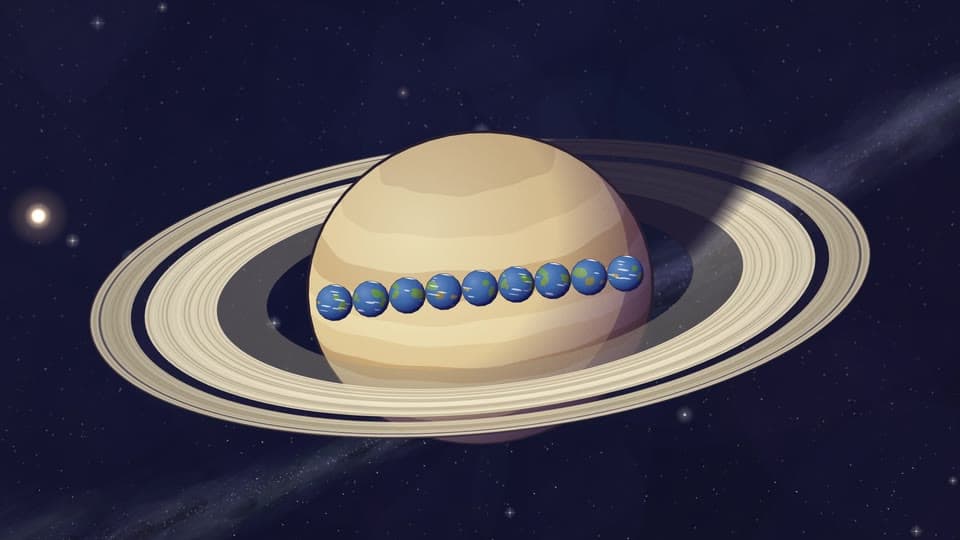
- Effects. Built-in fields and one-shots (dust, splashes, sparkles, leaves, rain, fireflies, motes, mist) and nine built-in custom effects for skies and space (a star seen by eye, the Sun's glow, a star stream, a telescope's eyepiece, light crossing to a planet, an orbit, a row of Earths across a planet, its moons, drifting debris). docs/effects.md
- Lint. Sixteen staging and editing rules with an illustrated report; each framing fault comes with a camera change or staging that was tried on the recompiled film, and a warning kept on purpose is marked on its shot with the reason. docs/lint.md
- Parallel render. The frames are split between worker processes (by default one fewer than the CPU cores), each with its own x264 encoder, and the parts are joined without re-encoding. docs/rendering.md
- Your own code. A film's
custom.mjsadds custom drawing beats, scene overlays, sounds, rigs and kits; itsrigs/,kits/andeffects/folders (or a project'scinecode/folder, shared by its films) hold them as files of their own, each with a gate (verify-rig,verify-kit,verify-effect) that checks it and draws review images. docs/effects.md
Requirements
- Node.js 20 or newer
ffmpegandffprobeonPATH(for the mix master, the animatic and the render)@napi-rs/canvas(the only npm dependency;npm install)GEMINI_API_KEYin the environment, only to voice lines. Everything else runs offline.
Quickstart
npm install
node bin/cinecode.mjs new films/my-film      # a starter film: film.json, screenplay.md, custom.mjs
node bin/cinecode.mjs check films/my-film    # valid?
node bin/cinecode.mjs plan films/my-film     # the shot list with times
node bin/cinecode.mjs sheet films/my-film    # → films/my-film/out/sheet.jpg
node bin/cinecode.mjs animatic films/my-film # → films/my-film/out/animatic.mp4
The starter is one scene of six shots in the meadow (a girl wakes a sleepy hare and races him to the pond); it passes
check and lint and makes an animatic before it is voiced (the unvoiced lines are left out of the sound). With a key
set, node bin/cinecode.mjs voice films/my-film voices it and node bin/cinecode.mjs render films/my-film renders
films/my-film/out/my-film.mp4. Edit film.json from there; docs/storyboard.md lists every
field.
The demo: Our Solar System
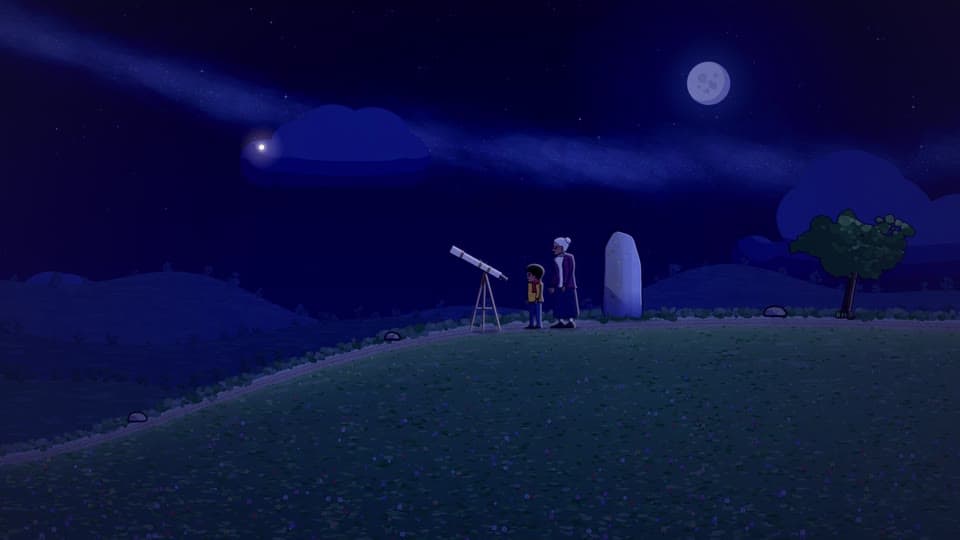
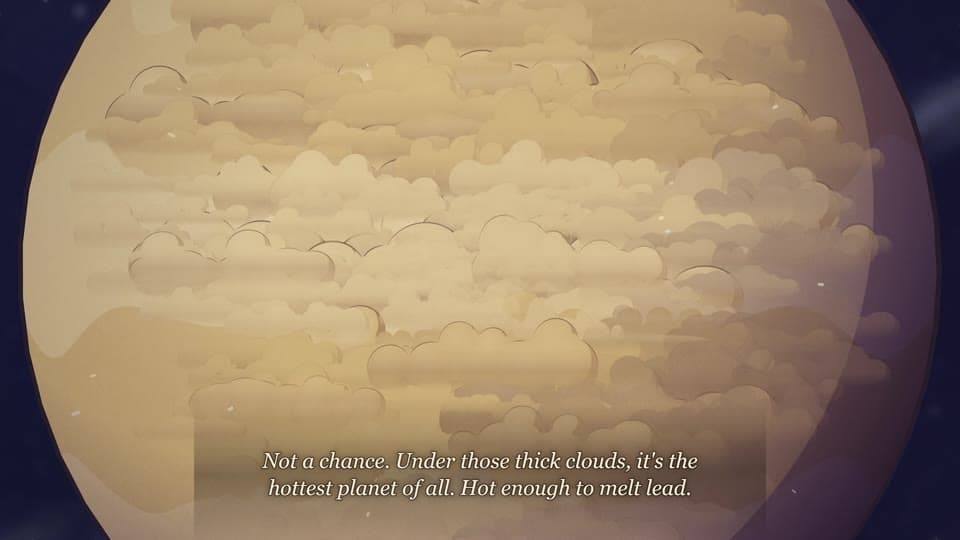
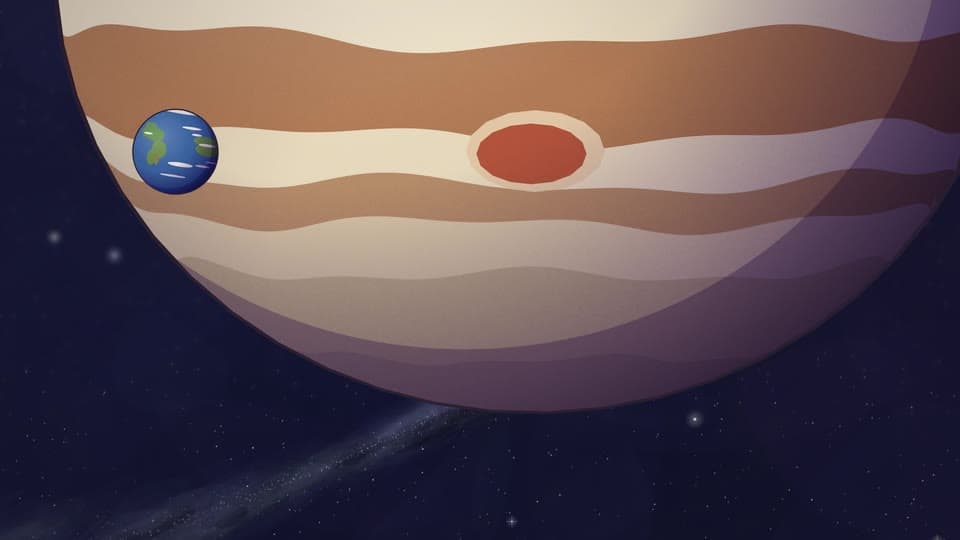
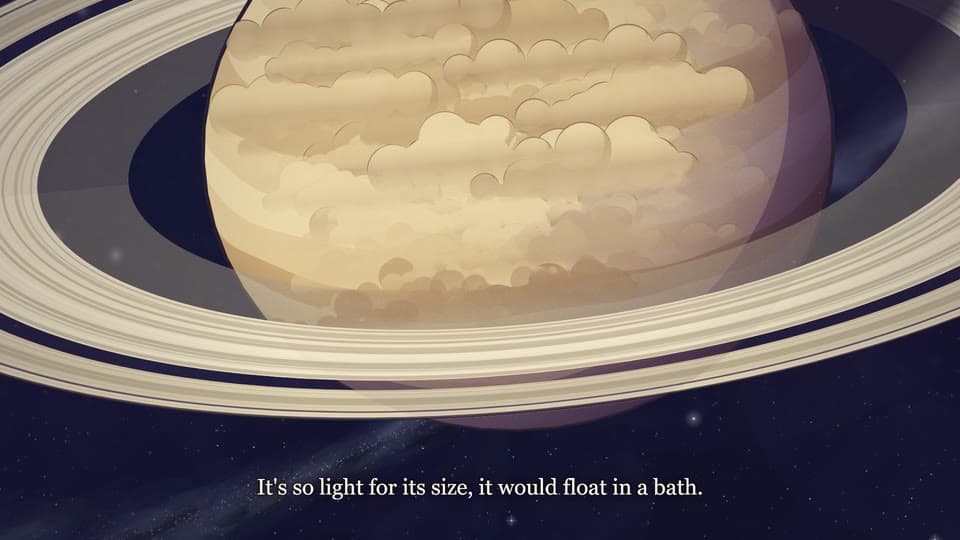
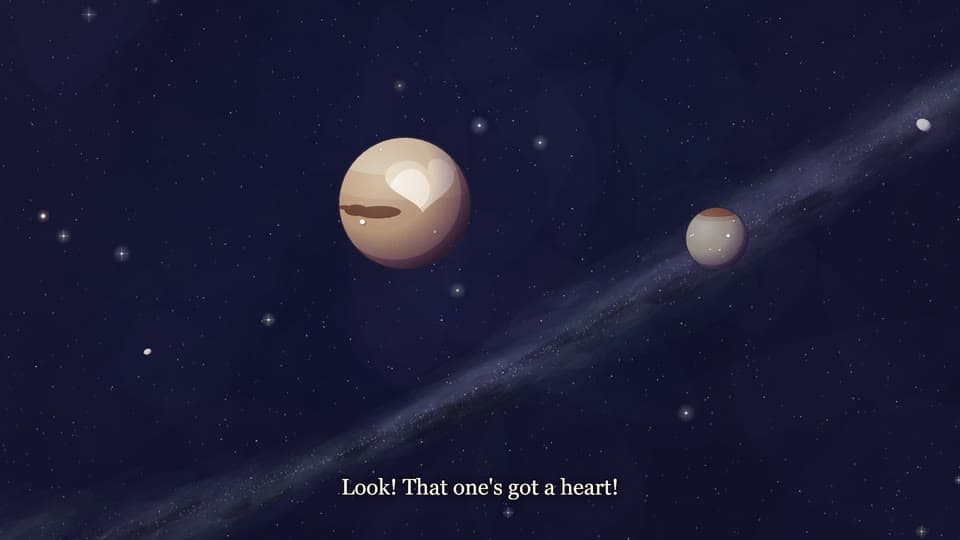
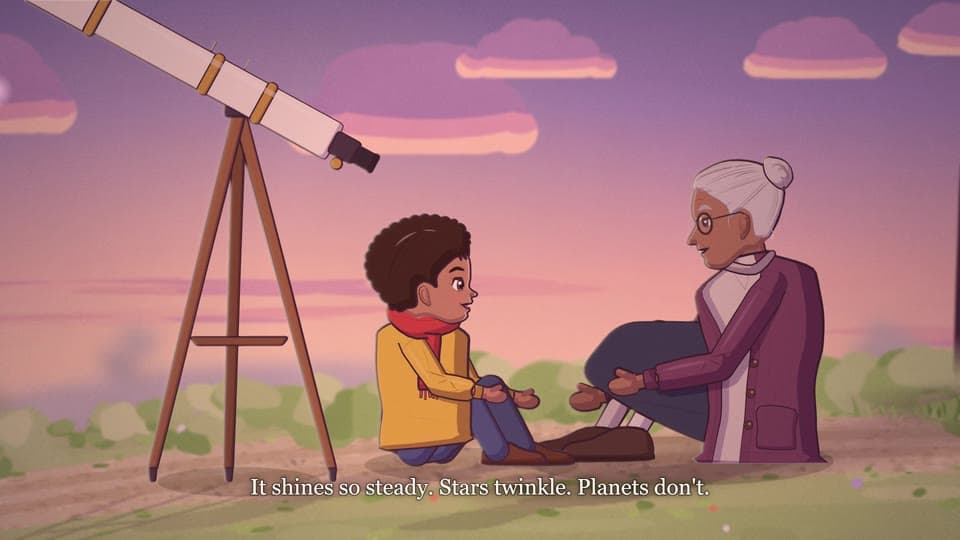
films/solar-system/ is a 15:34 family film made with the cinecode plugin. On a hill at night a girl, Nell, asks her
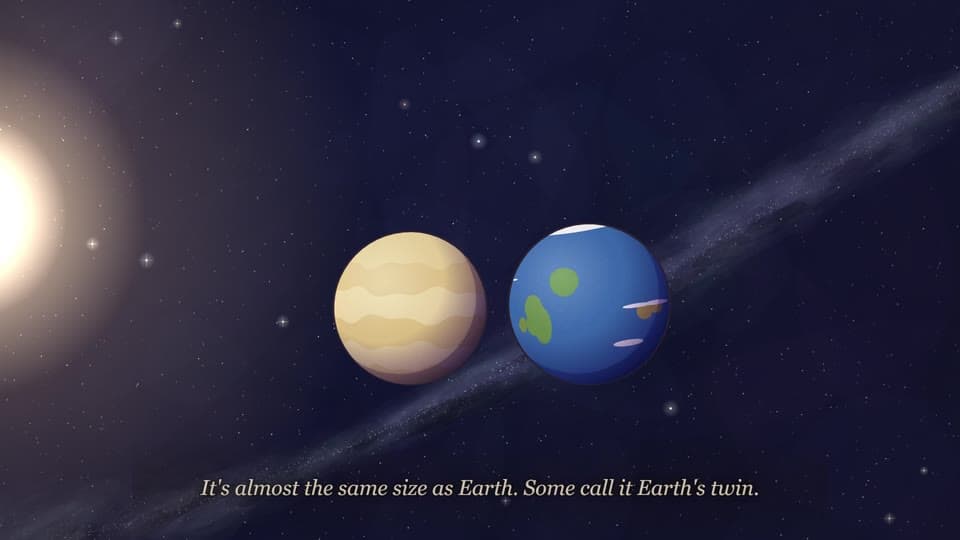
grandmother about a bright star; a narrator takes them past the Sun and every planet, out to Pluto and the Kuiper
Belt, and home again for the sunrise. 21 scenes, 68 shots, 168 voiced lines, and every fact checked against NASA (the
facts table is at the end of its screenplay). Claude Code wrote, staged, voiced, reviewed and assembled it with the
plugin's skills: 36 agents in about six hours, then a 20-minute render.
Watch it or download the 1080p film. The folder holds the
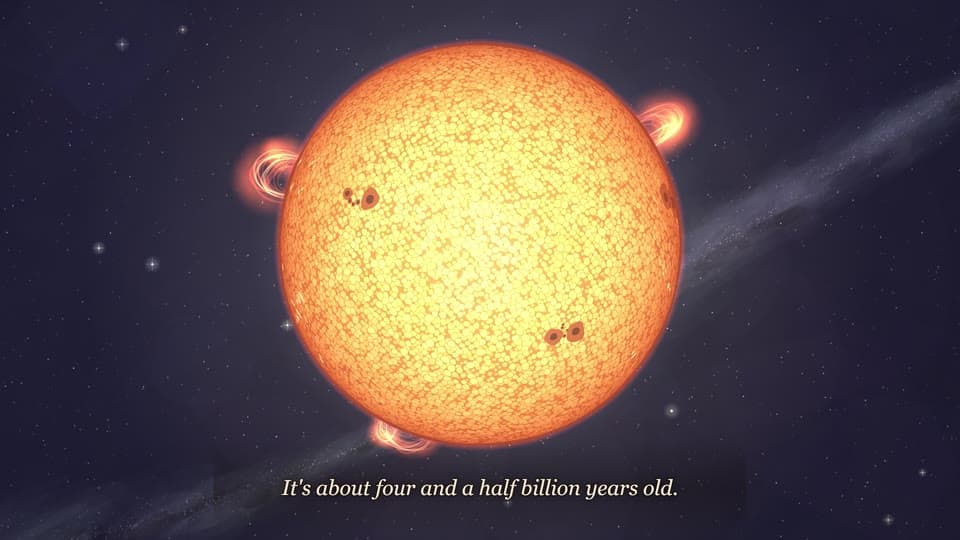
screenplay, the storyboard and the film's six effects of its own (the Sun's face, an orrery, a dive through Venus's
clouds, Earth's night side, the pale ray of the "pale blue dot", the sunrise). The voice takes are in the release as
solar-system-voices.zip: unzip it inside films/solar-system/ (it makes voices/) and the film renders without a key:
node bin/cinecode.mjs render films/solar-system
 |  |
 |  |
 |  |
 |  |
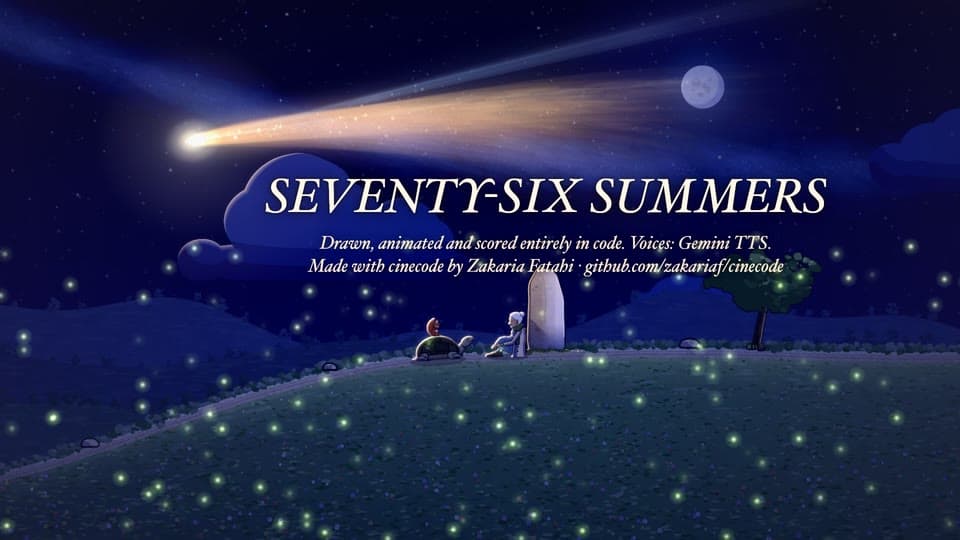
Seventy-Six Summers
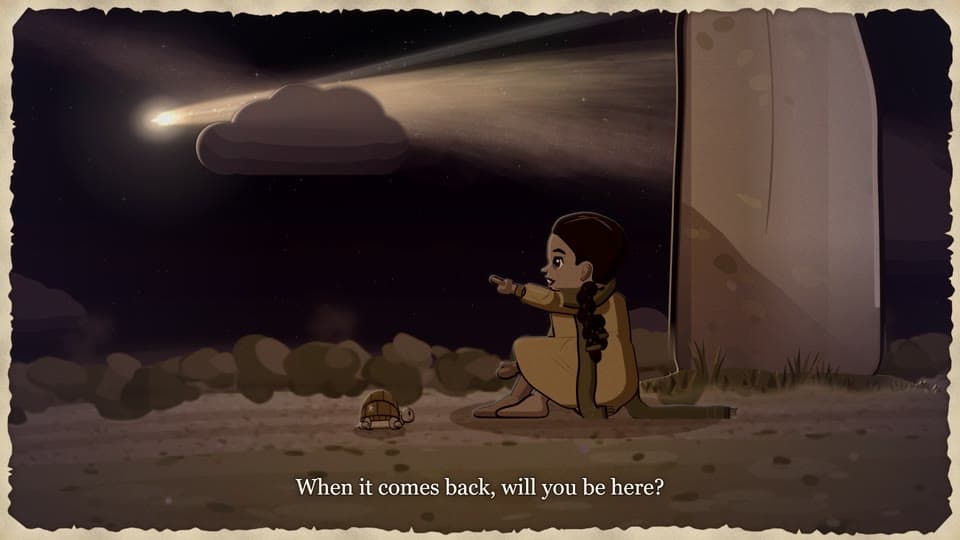
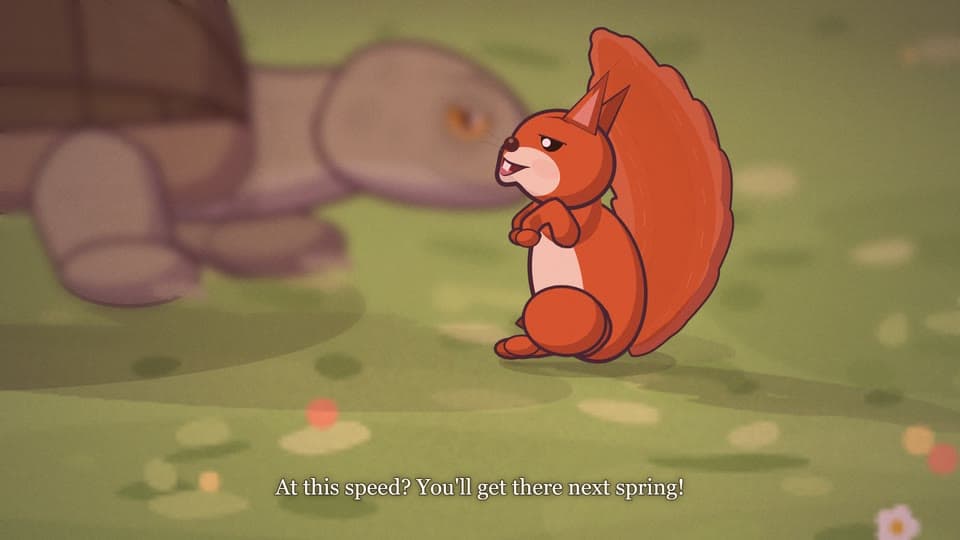
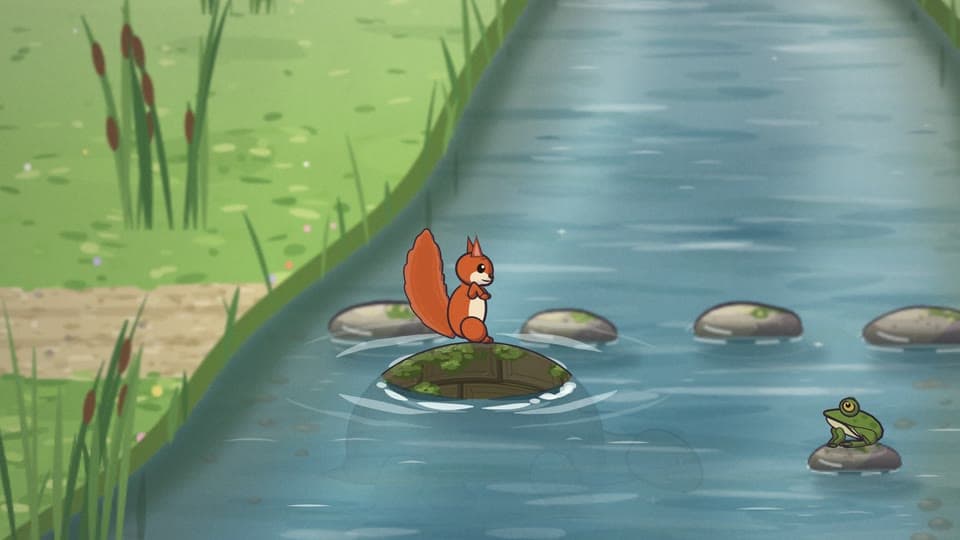
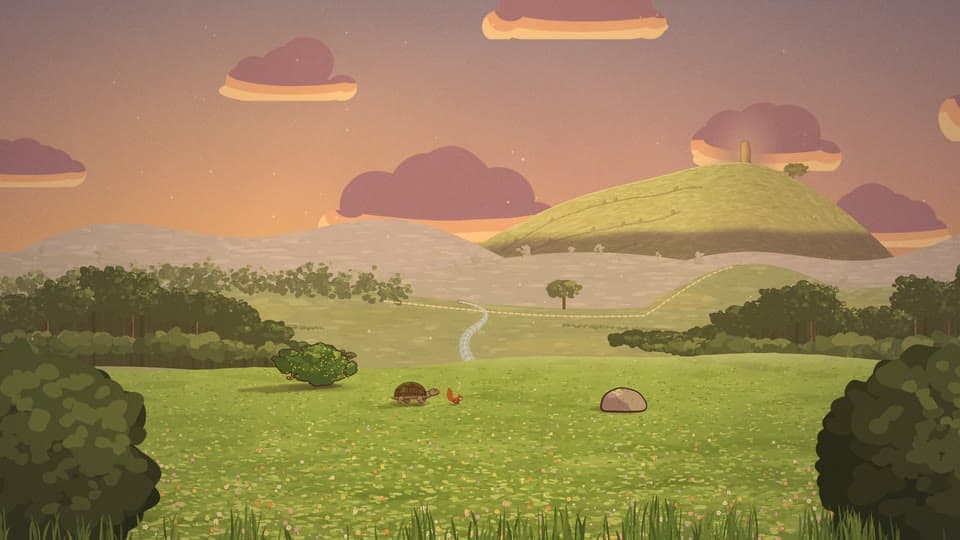
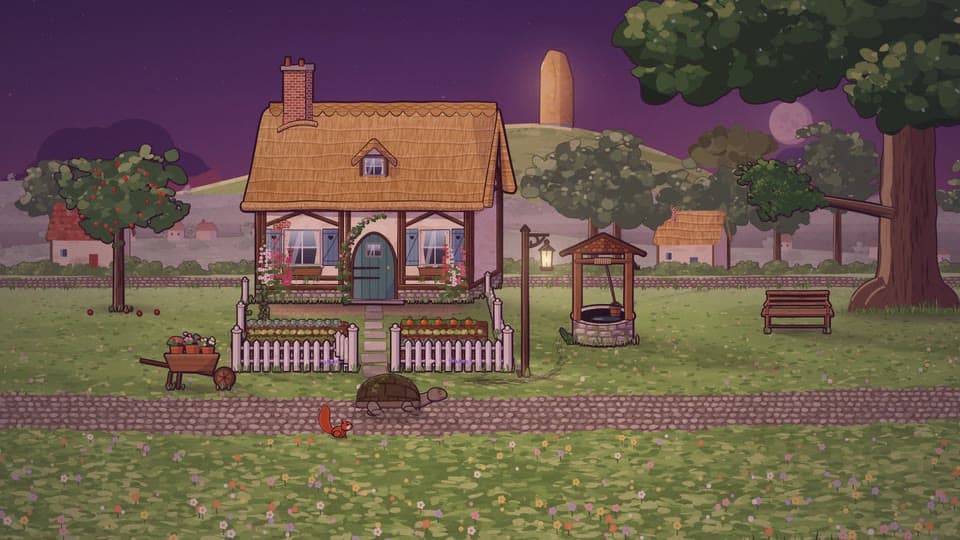
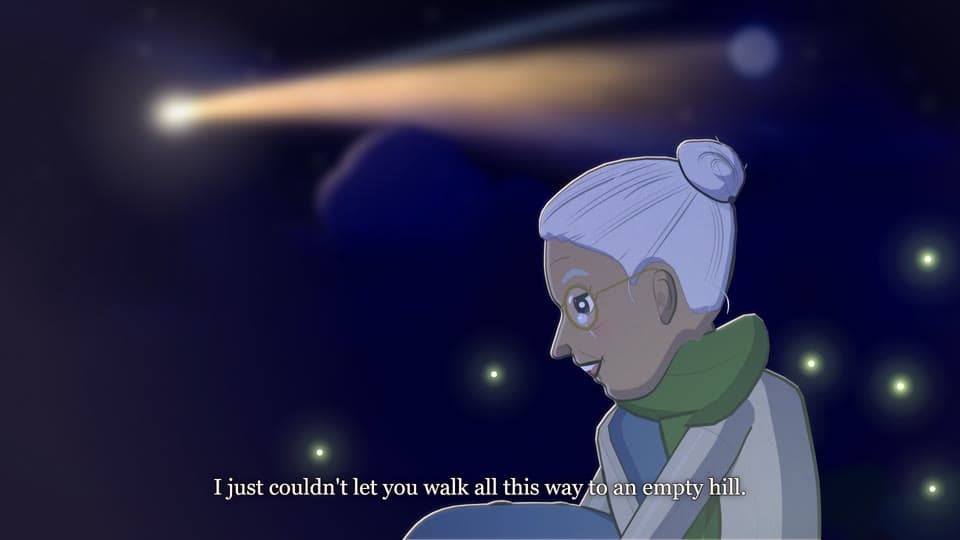
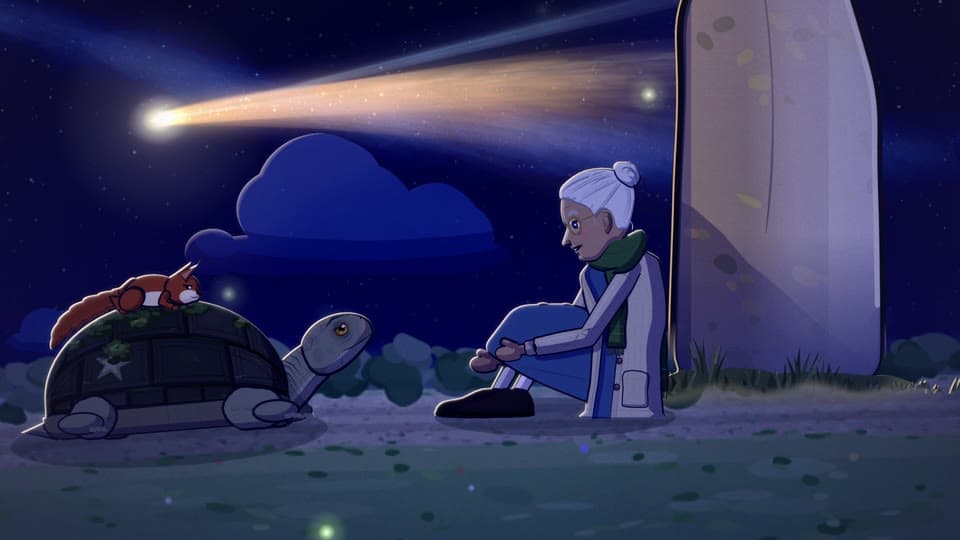
films/seventy-six-summers/ is a 3:47 film made with cinecode: 12 scenes, 56 shots, 56 voiced lines. A
hundred-year-old tortoise has one day to cross the valley and keep a promise he made to a six-year-old girl the last
time the comet came, with a squirrel riding on his shell. Its screenplay, storyboard, custom effects and voice cache
are all in the folder, so it renders without a key:
node bin/cinecode.mjs render films/seventy-six-summers
 |  |
 |  |
 |  |
 |  |
Install as a Claude Code plugin
The repository is a Claude Code plugin and its own marketplace. In Claude Code:
/plugin marketplace add zakariaf/cinecode
/plugin install cinecode@cinecode
(or, on Claude Code 2.1.275 or later, in one step: /plugin install cinecode --marketplace zakariaf/cinecode).
Then open Claude Code in any folder and ask for a film in plain words, or call the skill by name:
/cinecode:cinecode make a two-minute animated film about a fox who is afraid of the dark
Installing copies the plugin and its one npm dependency, @napi-rs/canvas. It brings four skills (cinecode: idea or
screenplay → film; build-rig, build-kit, build-effect: a character, place or effect the engine doesn't have,
each through its gate) and puts the cinecode command on Claude's PATH. The first run checks Node 20+, ffmpeg and the drawing library (cinecode setup installs it if it is missing).
Films go in films/<slug>/ of that folder, and rigs, kits and effects shared by its films in cinecode/. Voicing
needs GEMINI_API_KEY; everything else runs offline.
Make a film with Claude Code
The repository includes a Claude Code skill, .claude/skills/cinecode/SKILL.md, with
the working method used for the demo: writing the screenplay, translating it to film.json, voicing and checking
takes, the contact-sheet review loop, custom effects, and the final render. Open Claude Code in this repository and
ask for a film ("make a two-minute animated film about a fox who is afraid of the dark"), or point it at a screenplay
of your own. The skill's references/ hold quick tables of rigs, kits, built-in effects, voices and review
checklists, and its scripts/ print what the commands don't: live inventories of rigs, kits (with every prop's
extent) and effects, the warnings
check doesn't show, every beat's start and end and the marks' times (timeline.mjs), what each voice take says
with its length and pauses (takes.mjs --all), and the score's level per shot with any quiet holes (levels.mjs).
Repository layout
bin/cinecode.mjs            the command line (bin/cinecode: the same as a bare command, on the plugin's PATH)
engine/
  core/                     shared helpers: seeded random, geometry, ink and cel-shading style
  paint/                    brushes, skies, nature, scenery, water, buildings, planets
  cast/                     the rigs (one file each) and the rig framework
  set/                      the set framework and the kits in set/kits/
  effects/                  the built-in custom effects (one file each, used by name like a film's own)
  film/                     loading and validation, compile (storyboard → timed plan), camera, actors, frame drawing, grades
  audio/                    voices (Gemini TTS + QA + cache), music, synthesis, effects, ambience, the mix
  lint/                     the staging and editing checks and their report
  render/                   CLI commands, contact sheets, parallel encoding, subtitles
films/
  solar-system/             the main demo (its voice takes are in the release)
  seventy-six-summers/      the first demo film
  glim/                     a 27 s film a fresh agent made from one sentence with the skill
  kite/, strawberry-race/,
  storm-shelter/            three ~35 s films, each made by a fresh agent from one sentence
  _test/                    a small film used by the tests
templates/                  what `cinecode new` copies: film.json, screenplay.md, custom.mjs
docs/                       the reference
test/                       node:test suites
.claude/skills/             the Claude Code skills: cinecode, build-rig, build-kit, build-effect (each build skill with a starter)
.claude-plugin/             plugin.json and marketplace.json: the repository as a plugin and its marketplace
DESIGN.md                   the module contracts
Testing
npm test                          # every suite: node --test test/*.test.mjs
node --test test/render.test.mjs  # one suite
The tests need no network and no API key (the voice tests mock Gemini). Tests that run ffmpeg are skipped when it isn't installed.
Licence
MIT, © 2026 Zakaria Fatahi. See LICENSE.
// faq
What is cinecode?
Animated films made entirely by code: a Claude Code plugin. Describe a film, and Claude writes, animates, scores and renders it.. It is open-source on GitHub.
Is cinecode free to use?
cinecode is open-source under the MIT license, so it is free to use.
What category does cinecode belong to?
cinecode is listed under plugins in the Claudeers registry of Claude-compatible tools.
// embed badge

[](https://claudeers.com/cinecode)
// retro hit counter

[](https://claudeers.com/cinecode)
// reviews
// guestbook
// related in Claude Plugins
 🔓
A single CLAUDE.md file to improve Claude Code behavior, derived from Andrej Karpathy's observations on LLM coding pitfalls.
 🔓
Claude Code is an agentic coding tool that lives in your terminal, understands your codebase, and helps you code faster by executing routine tasks, explainin…
 🔓
"CLI-Anything: Making ALL Software Agent-Native" -- CLI-Hub: https://clianything.cc/
🔓financial-services — a Claude ecosystem project on GitHub.